
President University is one of the best private universities in Indonesia (accredited A).. President University offers strong international learning and research environment.
President University open journal system hosts all journals and proceedings published by the University. The journals and procedings scopes cover multidisciplinary study in the field of science, technology, business, and social sciences.
A B C D E F G H I J K L M N O P Q R S T U V W X Y Z All
Proceeding of International Conference on Sustainable Engineering and Creative Computing
View Journal | Current Issue | Register
PRESUNIVE CIVIL ENGINEERING JOURNAL
PRESUNIVE CIVIL ENGINEERING JOURNAL [ISSN2987-145X (online)] is a scientific publication media for researchers, students as well as practitioners in the area of expertise of Structural Engineering, Construction Engineering & Management, Geotechnical Engineering, Water Resources Engineering, and Transportation Engineering.
The Journal publishes in April and October under the supervision of the Civil Engineering Study Program, President University.
View Journal | Current Issue | Register
RANA: Visual Communication Design & Interior Design Journal
View Journal | Current Issue | Register
Proceeding of The Symposium on Data Science (SDS)
Symposium of Data Science (ISSN online:Â 2808-1846)Â aims to provide a forum for scholars and lecturers to discuss and exchange ideas about their research. In addition, providing opportunities for students to present student research projects in solving financial problems and related problems using a data science approach. In this activity, all participants are encouraged to be creative so as to generate ideas and innovations in the participants' research.
The scope of this event is, but not limited to, in the fields of : application of data science in finance; actuarial science; Finance; and risk management.
Â
View Journal | Current Issue | Register
IDEAS: Journal of Management & Technology
IDEAS: Journal of Management and Technology is a peer-reviewed journals devoted to the publication of original papers and serve as a forum for practical approaches to improving quality in issues pertaining to technology management, innovation, and related fields. The goal is to bring the highest quality research.
E-ISSN: 2808-1803
Â
View Journal | Current Issue | Register
Journal of Actuarial, Finance, and Risk Management
Journal on Actuarial, Finance and Risk Management (ISSN:Â 2830-3938Â online) is a peer-reviewed journal dedicated to interchange for the results of high quality research published by President University. The editor welcomes scholars and statisticians and data science experts who develop their applications in various fields. In addition, final year or postgraduate students are encouraged to submit their original research to this journal.
The scope of this journal, but not limited, are the following fields: Actuarial Science, Finance, Risk Management, and Applied Statistics.
View Journal | Current Issue | Register
Proceeding of the International Conference on Family Business and Entrepreneurship
International Conference on Family Business & Entrepreneurship (ICFBE) is a scientific international conference driven by the livelong aspiration of President University as a center of excellence, especially in the ï¬eld of family business and entrepreneurship. The conference is organized by the Faculty of Business at President University with the aim of gathering researchers and practitioners to critically share and discuss the latest empirical, conceptual, as well as theoretical findings and trends in a demanding topic. The ICFBE has been held six times from 2017 to 2022. It has succeeded in bringing together researchers and practitioners from various countries over the past five years.
The papers presented at ICFBE have been published in various scientific publication outlets both on a national scale in Indonesia and international wide. This website presents the online proceeding of the ICFBE. All papers published in this proceeding have gone through a rigorous peer-review process and scientific principles.
ISSNÂ 2620-3863 (online)
View Journal | Current Issue | Register
ACADEMICS IN ACTION Journal of Community Empowerment
Academics in Action Journal of Community Empowerment (AIA Journal)Â is a scientific publication media for Community Service (PKM) activities, which is carried out by lecturers, education staff, and students.
The journal is accredited SINTA 5 based on Surat Keputusan Direktur Jenderal Pendidikan Tinggi, Riset, dan Teknologi Nomor 105/E/KPT/2022.
AIA Journal publishes in June and December under the supervision of the Institute for Research and Community Service (LRPM) President University.
ISSN Online: 2685-9025
Become Editor and Reviewer:Â https://forms.gle/nt38jaJcS9mp4WZD9
View Journal | Current Issue | Register
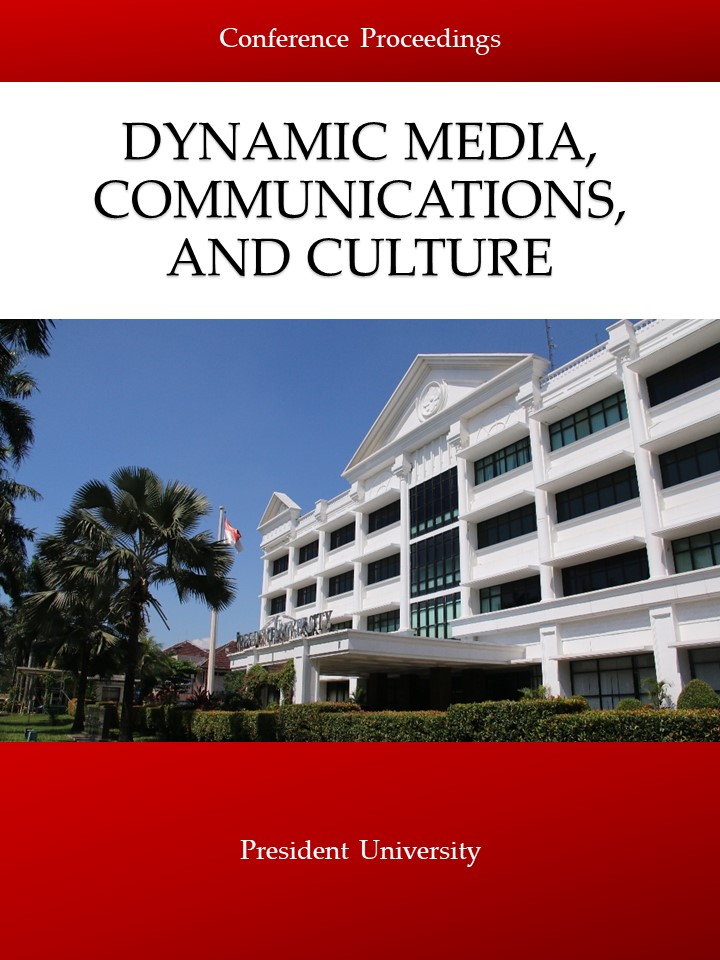
Dynamic Media, Communications, and Culture: Conference Proceedings
Dynamic Media, Communications, and Culture: Conference Proceedings (ISSN Online: 2797-2690) is a collection of peer-reviewed and accepted research papers presented in the DiMCC annual conference, which theme specializes on Dynamic Media, Communications, and Culture. The Conference is organized by Communication Studies President University.
View Journal | Current Issue | Register
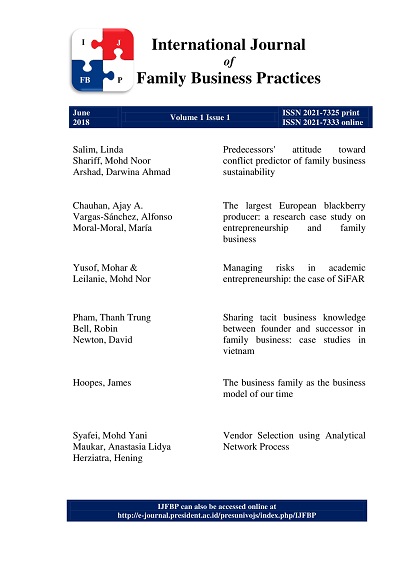
International Journal of Family Business Practices
The International Journal of Family Business Practices (IJFBP) is open access and biannual double-blind peer-reviewed journal. Numerous family enterprises are based around the legend of an entrepreneurial founder who has stood firm in the face of difficulties. The IJFBP widens the scope to look beyond this interrelationship by exploring the creation of family business, which includes the entrepreneurial tenets, mindset, and processes of the family business and its transgenerational sustainability. The scope of the journal covers various sectors including (but is not limited to), retail, tourism, wealth planning, digital business, among others. All the articles published in English. Submissions are open year-round. Before submitting, please ensure that the manuscript is written in English to comply with the focus and scope of IJFBP and follows the guidelines and templates of authors.Â
View Journal | Current Issue | Register

Expose: Jurnal Ilmu Komunikasi
Expose: Jurnal Ilmu Komunikasi (ISSN 2620-8105; E-ISSN 2621-0304) is an accredited biannual blind peer-reviewed journal published by President University. It is accredited SINTA 4 based on SK Direktur Jenderal Penguatan Riset dan Pengembangan Kementerian Riset, Teknologi, dan Pendidikan Tinggi Nomor 36/E/KPT/2019 (valid for five years until 12 December 2024).
Expose: Jurnal Ilmu Komunikasi has a scope relevant and related (but not limited) to Communication, Media, and Cultural Studies; Journalism; Political Communication; Public Relations; Marketing Communication; Advertising; Organizational Communication; Social Media Management; Communication Management; Film Studies; Communication Technology (See also Focus and Scope).
IMPORTANT: Before you submit a manuscript, make sure that your paper is prepared using Template for Submission, has been proofread and polished carefully, and adheres to the Author Guidelines.
View Journal | Current Issue | Register
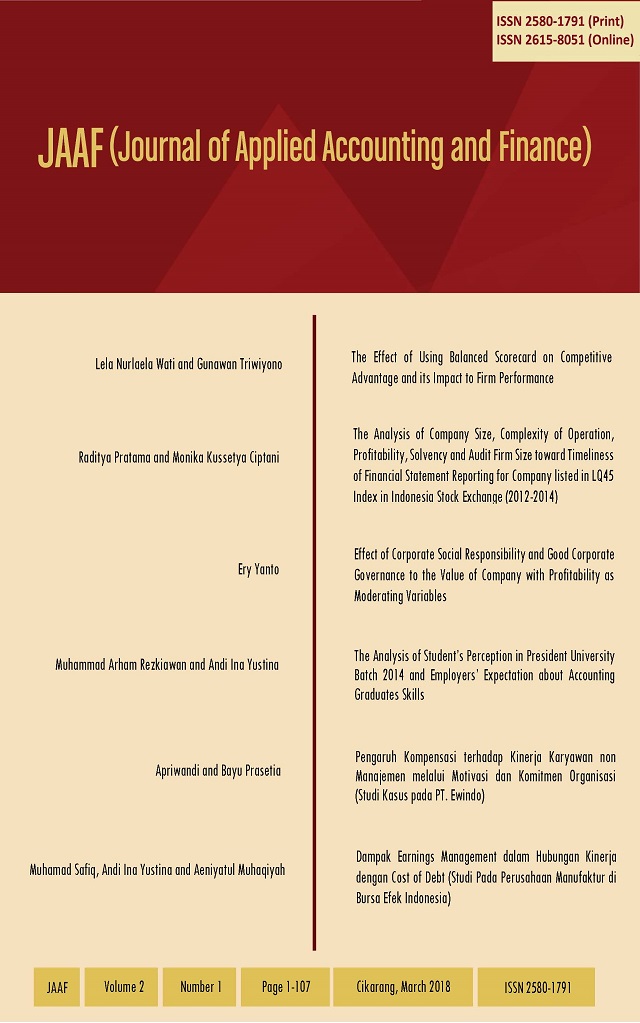
JAAF (Journal of Applied Accounting and Finance)
View Journal | Current Issue | Register
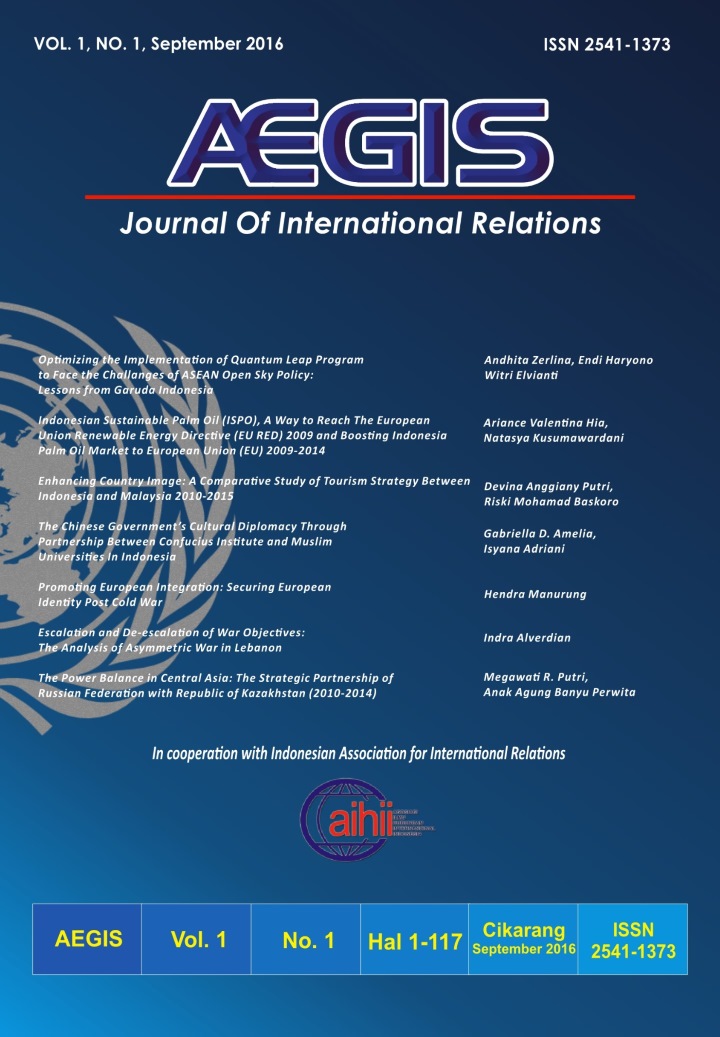
AEGIS : Journal of International Relations
AEGIS Journal of International Relations is a biannual journal [E-ISSN 2548-4532 ; ISSN 2541-1373]Â managed by the School of International Relations of President University. The journal is published twice a year in February and September.
We are committed to giving a platform for IR scholars from different background - universities students, lecturers, researchers, diplomats, journalists, and other professional interested in and already working in the field which is connected to International Relations.Â
This journal accepts articles related to the Asia-Pacific Region that covers the issues of:
1. International Peace and SecurityÂ
2. International Political Economy
3. Foreign Policy Analysis
4. International Dispute
5. Transnational Issues
6. Environment Issues
View Journal | Current Issue | Register
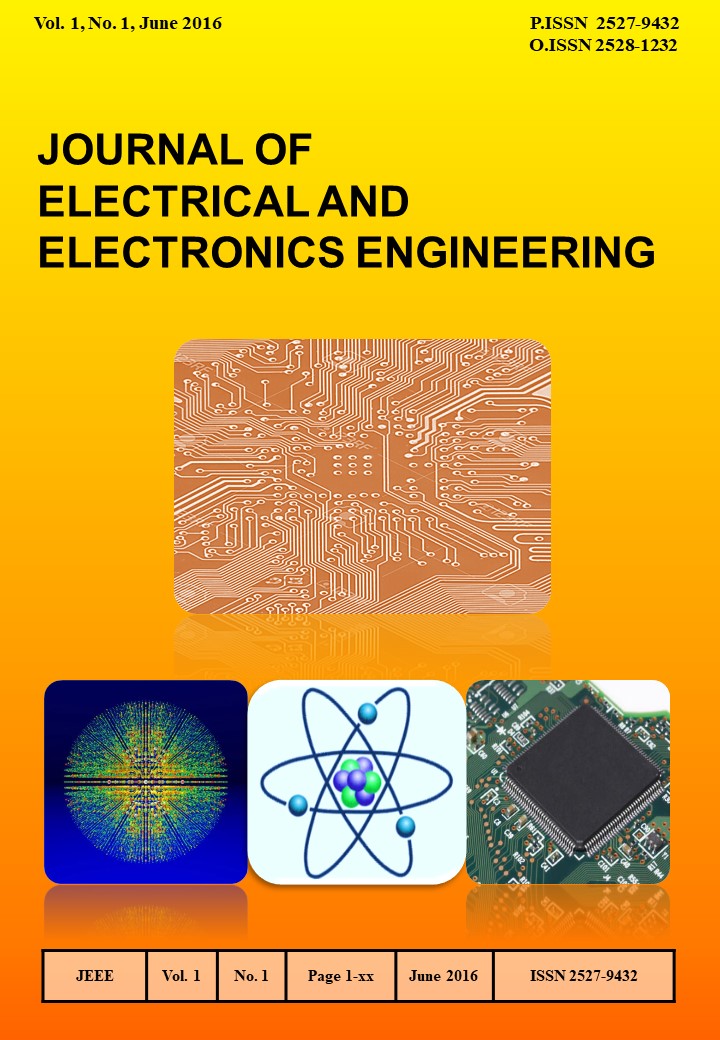
Journal of Electrical And Electronics Engineering
JEEE is an internationally peer-reviewed journal, aimed to cover a wide area of research and
development in Electrical Engineering. It is an excellent dedication and outstanding collaboration of the editors and reviewers that enables the publication of the first volume. We thank all authors for submitting their research articles to be published in JEEE. Through the journal, I hope that exchange of information and share of idea can be strengthened. I also wish that the journal is able to deliver valuable and interesting items to the worldwide community of Electrical Engineering.
The scope of the journal includes theoretical, experimental, and application in many aspects of
Electrical Engineering. Therefore, I am confident that the journal will provide not only cutting-edge fundamental research result, but also across-the-field implemented solutions.
JEEE is planned to be published two times (June and December) in a year. We are convinced that the journal will be able to provide the opportunity to present authentic and insightful scientific and technological information on the latest advances in Electrical Engineering. I truly welcome your contributions for the next volume, with the objective to further increase the quality of the journal.
View Journal | Current Issue | Register
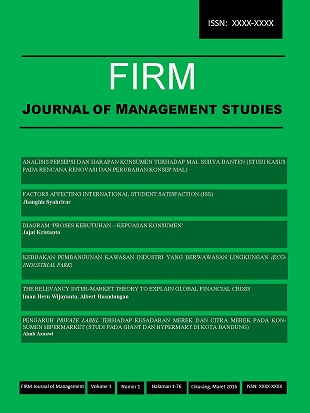
FIRM Journal of Management Studies
FIRM Journal of Management (ISSN: 2541-3473 online) is an accredited (SINTA 3) scientific journal in the field of management that publishes scientific writings on pure and applied research as well as general commentaries on the development of theories, methods and related applied sciences. The Firm journal is managed by School of Management, President University.
The FIRM journal is published biannually, in March and September, and has a scope relevant and related (but not limited) to aspects of marketing & tourism, entrepreneurship, financial management, human resources management, organizational behavior, consumer behavior.
View Journal | Current Issue | Register
Journal of Environmental Engineering and Waste Management
View Journal | Current Issue | Register
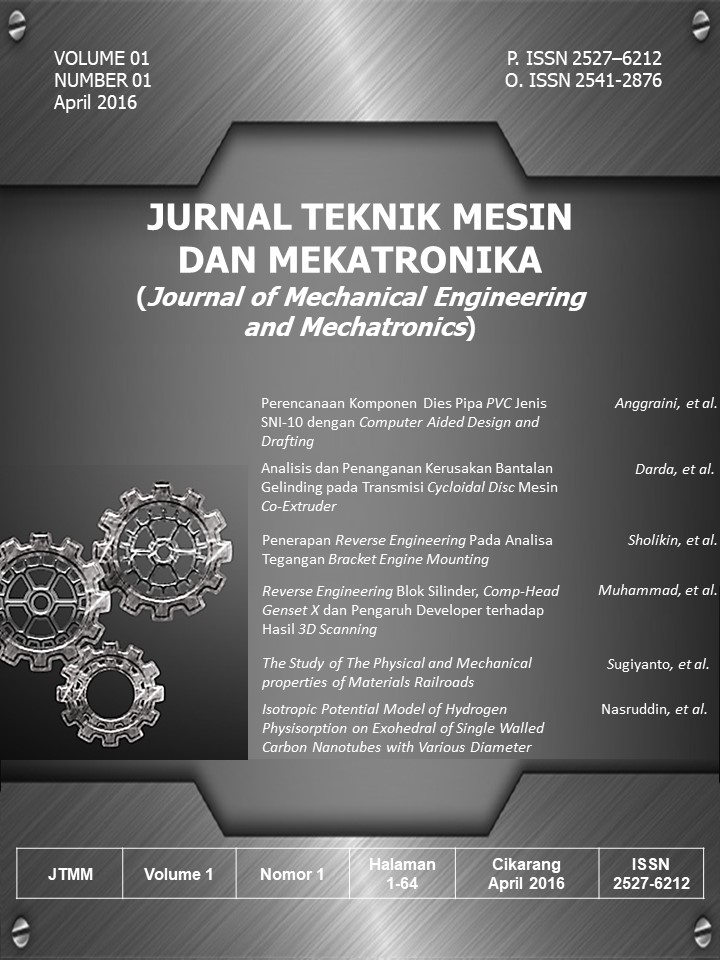
Jurnal Teknik Mesin dan Mekatronika (Journal of Mechanical Engineering and Mechatronics)
Jurnal Teknik Mesin dan Mekatronika (Journal of Mechanical Engineering and Mechatronics) adalah jurnal ilmiah di bidang teknik mesin dan mekatronik yang memuat tulisan-tulisan ilmiah tentang penelitian murni dan terapan serta tinjauan umum tentang perkembangan teori, metode dan ilmu terapan terkait. JMEM diterbitkan oleh Program Studi Teknik Mesin, Fakultas Teknik, President University, Cikarang-Jawa Barat-Indonesia.
Jurnal Teknik Mesin dan Mekatronika (Journal of Mechanical Engineering and Mechatronics) adalah jurnal peer-review akses terbuka yang memediasi diseminasi akademisi, peneliti, dan praktisi di bidang teknik mesin dan bidang terkait. Jurnal Teknik Mesin dan Mekatronika (Journal of Mechanical Engineering and Mechatronics) menerima kiriman dari seluruh dunia, terutama dari Indonesia.
Semua artikel yang dikirimkan ke jurnal ini dapat ditulis dalam Bahasa Indonesia dan Bahasa Inggris. Jurnal Teknik Mesin dan Mekatronika (Journal of Mechanical Engineering and Mechatronics) telah terindeks di Garba Rujukan Digital (GARUDA), indeks PKP, Crossref, ISSN dan Google Scholar.
Jurnal Teknik Mesin dan Mekatronika (Journal of Mechanical Engineering and Mechatronics) Diterbitkan oleh PresUniv Press :


Journal of Mechanical Engineering and Mechatronics (Journal of Mechanical Engineering and Mechatronics)
View Journal | Current Issue | Register
JIE Scientific Journal on Research and Application of Industrial System
View Journal | Current Issue | Register
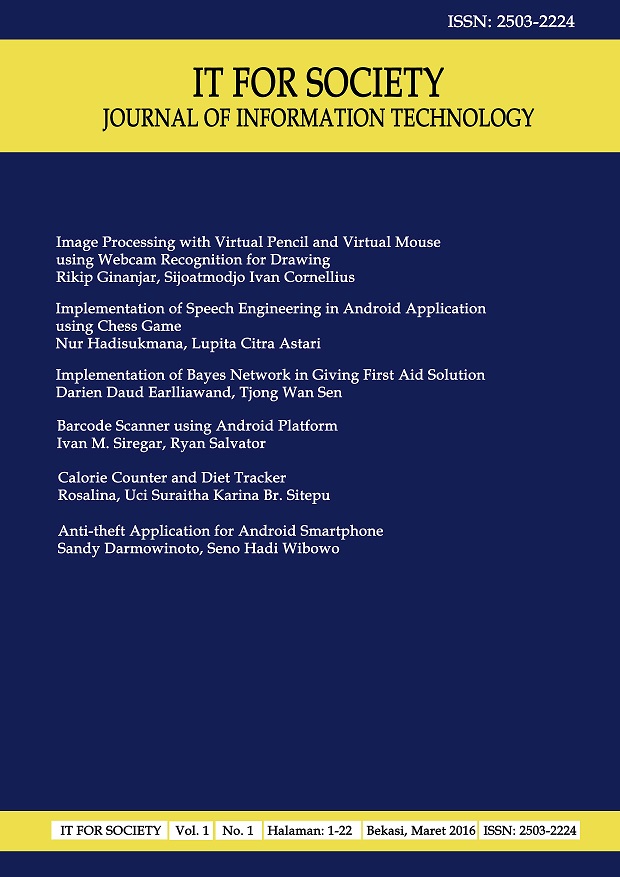
IT for Society
IT For Society (ISSN 2503-2224); E-ISSN 2527-595X) is a biannual peer-reviewed journal published by President University. The journal has a scope relevant and related (but not limited) to information technology and information system.
View Journal | Current Issue | Register
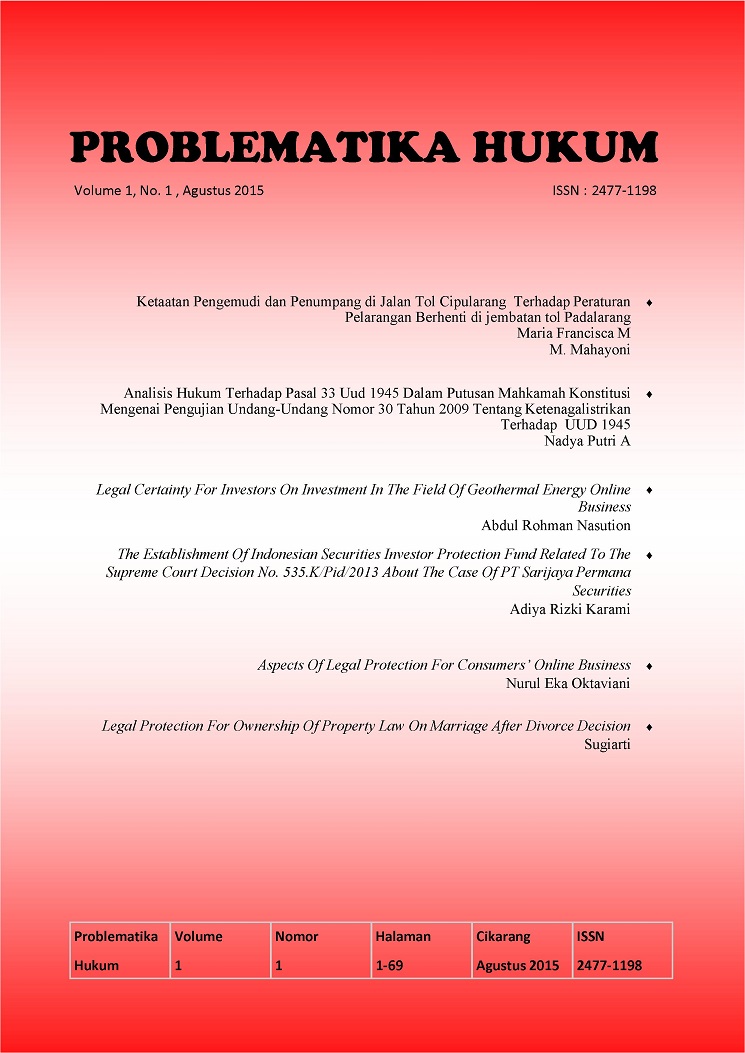
Problematika Hukum
Problematika Hukum [eISSN: 2503-4812] is an open-access, peer-reviewed scientific journal published by Law Study Program (Program Studi Hukum) President University twice a year (June and December) that addresses legal issues in Indonesia and other Southern Hemisphere countries. This journal aimed to to provide a comparative and multidisciplinary arena to communicate up-to-date analysis on Corporate Law and Litigation within the Global South perspective.
The term "Global South" commonly denotes the asymmetrical power dynamics that influence the experiences of nations colonized, enslaved, or marginalized by imperial powers. It is regarded as a conceptual framework of power, rather than a geographical division, that has influenced academic disciplines, including legal studies. Although many southern countries adopt the perspectives on legal development led by the West, they have also developed their unique features. This has prompted legal scholars to delve into more intricate relationships, given these countries' political, social, and cultural diversity. Their legal developments often address the challenges posed by emerging economies and divided societies. This journal contributes to cross-border legal studies by incorporating a significant perspective from the Global South. It achieves this by prioritizing the voices and experiences of southern countries in the context of legal growth.